
Best Spring Bass Lures: What to Throw in Prespawn, Spawn and Postspawn


Spring is the best shot most anglers get at a big bass, but spring isn’t one season. It’s three: prespawn, spawn and postspawn, and the lure that works in March can be wrong by May. The easiest way to choose is by water temperature. Here’s what to throw at each stage and how to fish it.
- Prespawn (48 to 58 F)Jerkbait, lipless crank, jig
- Spawn (60 to 70 F)Soft plastics, sight fishing
- Postspawn (68 F and up)Topwater, swimbait, worm
- One bait for all of itChatterbait
The Three Stages of Spring
Bass spawn when the water warms into the low to mid 60s, but they don’t all move at once. In the same lake you can have fish staging, fish on beds and fish already recovering. Northern and shaded waters run weeks behind southern ones, and small ponds warm faster than big reservoirs. A cheap thermometer or your electronics will tell you more than the calendar.
Prespawn
Bass leave winter areas and stage on the first breaks, points and channel swings leading to spawning flats. They feed heavily to build up for the spawn. This is when the biggest females are easiest to catch.
Spawn
Males fan beds in protected, hard-bottom shallows, usually 1 to 6 feet deep. Females move up, lay eggs and leave. Males guard the bed and fry and strike out of defense more than hunger.
Postspawn
Worn-out females suspend near the first drop or under docks and shade, then start feeding again as shad and bluegill spawn. Males guard fry in the shallows for a week or two.
Spring Lure Chart
| Water temp | Stage | Top lures | Where |
|---|---|---|---|
| 45 to 52 F | Early prespawn | Jerkbait, finesse jig, flat-sided or squarebill crankbait | Points, channel swings, first break |
| 52 to 58 F | Prespawn | Lipless crankbait, chatterbait, spinnerbait | Grass flats, secondary points, creek arms |
| 58 to 64 F | Late prespawn to early spawn | Swim jig, soft swimbait, Texas-rigged craw | Spawning pockets and the cover around them |
| 62 to 70 F | Spawn | Wacky rig, tube, creature bait, Ned rig | Beds and nearby cover |
| 68 F and up | Postspawn | Walking bait, popper, frog, swimbait | Shad and bluegill spawns, docks, first drop |
Prespawn Lures
Suspending jerkbait
The top cold-water bait. Twitch it twice, then pause. In water under 50 F, pause for 5 to 10 seconds or longer. Most bites come while it sits still. Natural shad and ghost colors in clear water.
Lipless crankbait
Cast across flats with submerged grass, tick the tops, and rip it free when it hangs. Red and orange craw colors are a spring classic. Yo-yo it off the bottom in colder water.
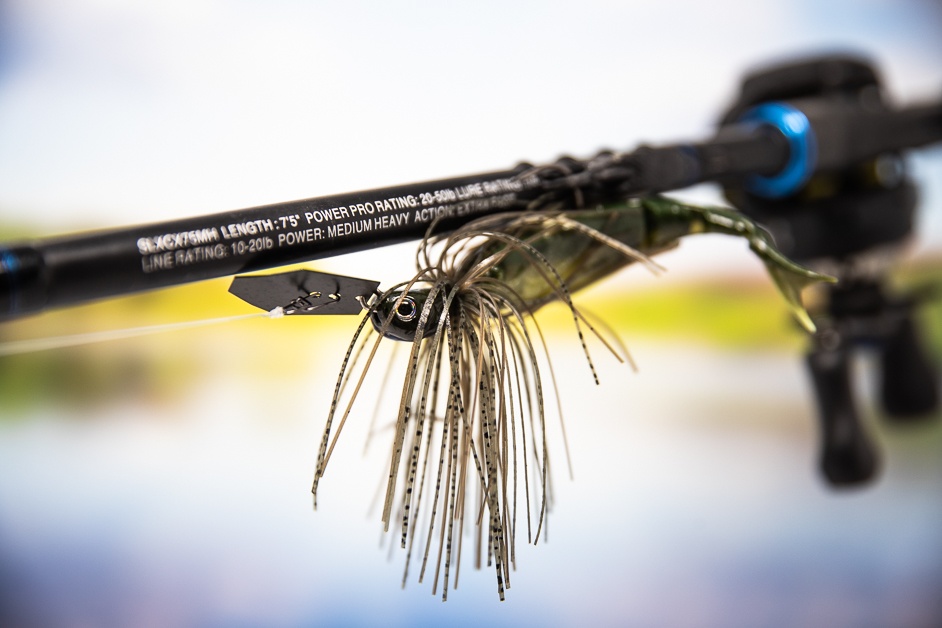
Chatterbait
Vibration plus a compact profile, and it works from prespawn through postspawn. Slow-roll it along grass edges and transition banks. Add a paddle tail trailer.
Jig
A 3/8 to 1/2 oz jig with a craw trailer dragged or hopped slowly on points, bluff ends and wood catches the biggest prespawn females. Use green pumpkin or brown in clear water, black and blue in stained water.
Spawn Lures
Bed fishing is about patience and accuracy, not distance. Wear polarized glasses, approach quietly and cast past the bed so the bait settles into it.
- Wacky rig or weightless stick worm: falls slowly and shakes in place. Great for bass that are cruising, not locked on.
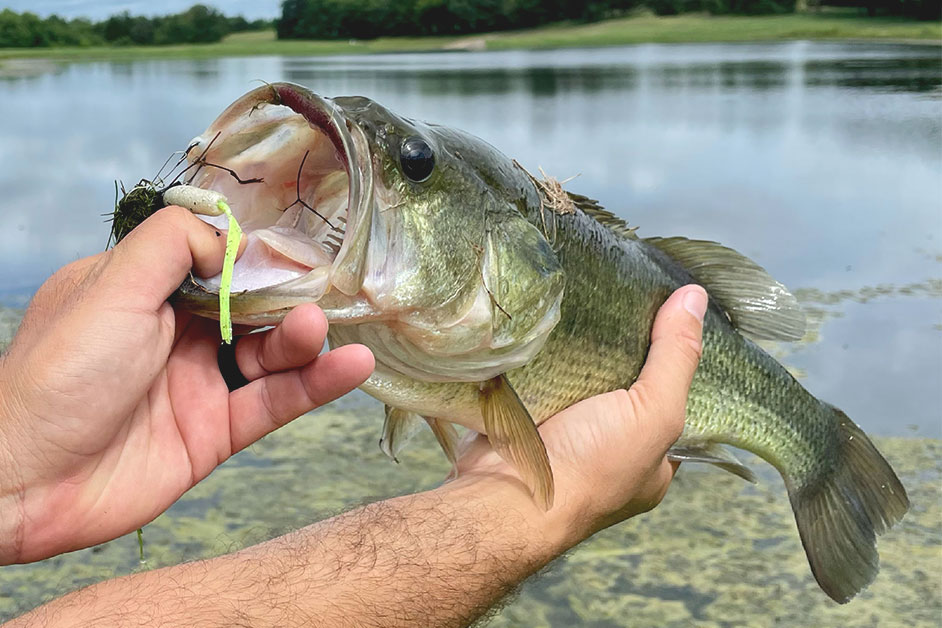
- Texas-rigged creature bait or tube: drag it into the bed and shake it. A white or chartreuse tail helps you see when it disappears.
- Ned rig: small and subtle for pressured beds and clear water.
- Swim jig or spinnerbait: run past spawning pockets for fish moving up and down.
Release spawning bass quickly and close to where you caught them so they can get back to the bed. Some states limit or close bass harvest during the spawn, so check your state’s rules before you keep fish. On a Private Lake or Pond, follow the owner’s rules; many ask for catch and release in spring.
Postspawn Lures
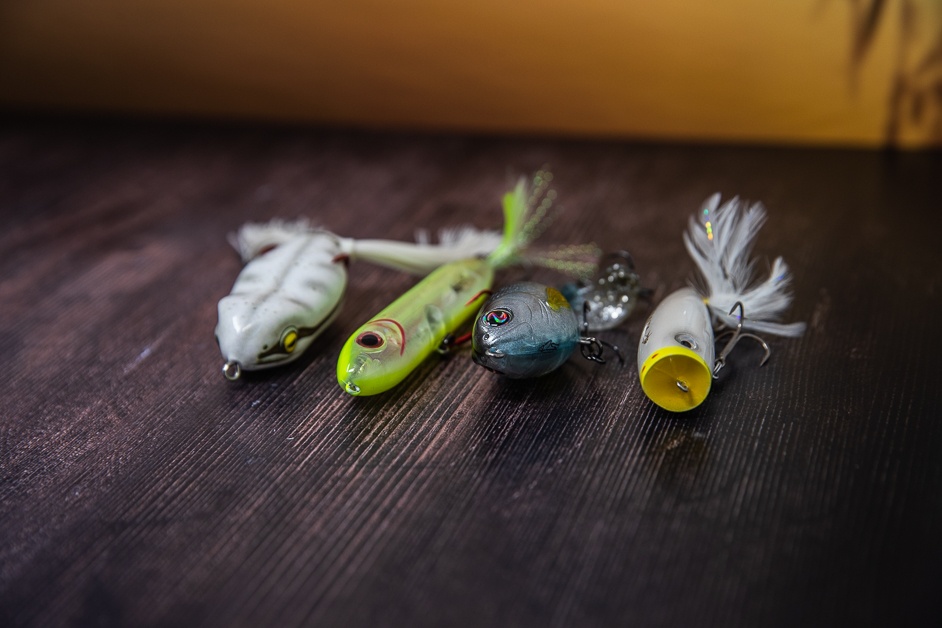
- Walking bait and popper: early and late in the day, especially during the shad spawn or around bluegill beds.
- Topwater frog: once pads and mats start to grow, frogs catch fish all day in the shade.
- Soft swimbait or swim jig: slow-rolled past docks and the first drop off spawning flats for females that are starting to feed.
- Big worm or Texas rig: on the first breakline as fish move back out toward summer spots.
Spring Tips
- Follow the warmest water. North banks, protected coves and shallow, dark-bottom flats warm first in the afternoon sun. Bass move there first.
- Slow down after a cold front. A front can push fish back a stage overnight. Downsize and fish slower until the water warms again.
- Fish the path, not just the destination. Points, ditches and channel bends between winter spots and spawning flats hold staging fish.
- Watch the wind. Wind on a bank stirs up bait and warms the shallows. It’s a good time for moving baits like a spinnerbait or chatterbait.
FAQ
What is the best spring bass lure?
If you could only bring one, bring a chatterbait. It works in prespawn, spawn and postspawn in most water clarities. A suspending jerkbait is the best choice in cold, clear early-spring water.
What water temperature do bass spawn?
Most largemouth spawn when water temperatures reach the low to mid 60s, though some start in the upper 50s in shallow, protected water. Smallmouth often spawn a bit cooler.
What color lures work best in spring?
Red and orange crawfish colors for lipless and crankbaits in early spring, shad and ghost colors for jerkbaits in clear water, and green pumpkin, black and blue, or white for soft plastics around beds.
Is spring the best time to catch a big bass?
Late prespawn is often the best time of year for big bass, because large females are shallow, heavy and feeding before the spawn.
Responses