
A Late-Fall Pond Walk: What to Check Before Winter

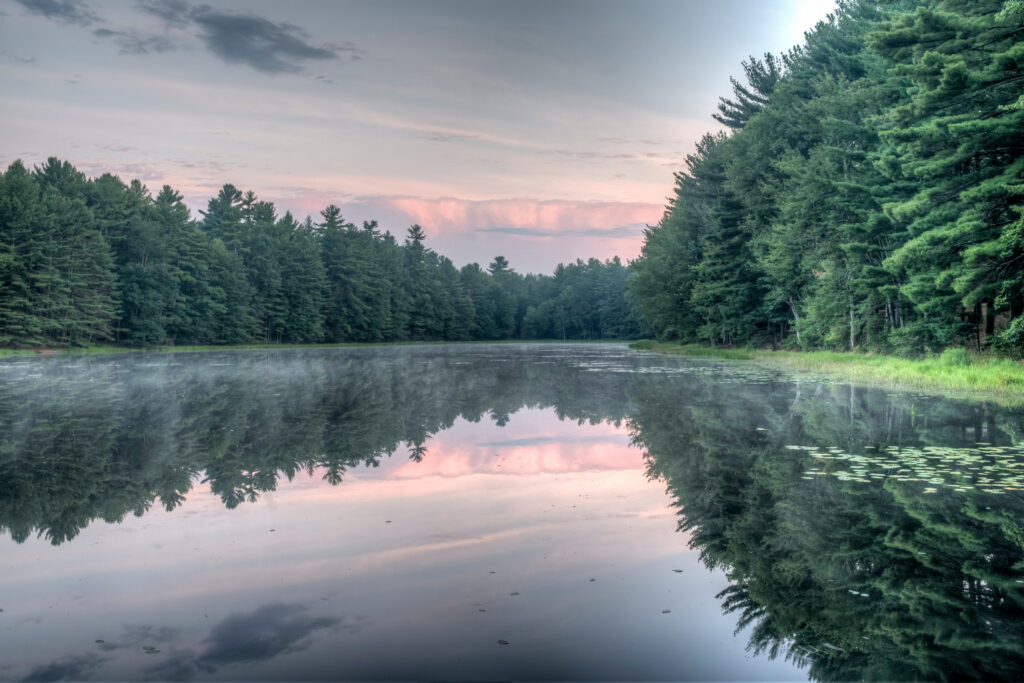
Late fall is a good time to walk the pond with a notebook before winter weather, heavy rain, or a long stretch of cold changes what you can see.
You do not need to turn the walk into a major project. The useful goal is to document what looks normal now, spot maintenance issues while they are still easy to see, and know what questions you may want to ask before spring.
1. Walk the dam, banks, and spillway
Look for new erosion, animal burrows, bare soil, unusually wet areas, blocked spillways, or damage around water-control structures. Penn State Extension’s pond-assessment checklist specifically recommends regular inspection of banks and dams for erosion, holes, and other damage.
2. Photograph the current water level
Take a few photos from the same landmarks you can use again later. Note whether the pond is unusually high or low and whether you can see new shoreline, exposed structure, sediment, or shallow areas. A dated photo is often more useful than trying to remember what the pond looked like several months earlier.
3. Note what is still growing
Record where aquatic plants and algae are concentrated and take clear identification photos before vegetation disappears for the season. Knowing what was present this year can make next year’s management conversation much more useful.
4. Check docks, fences, aeration, and safety equipment
Inspect docks and piers for loose or damaged components, check fences where they matter for access, and confirm that installed aeration equipment appears to be working as intended. If the pond is used for swimming or guests, inspect lifesaving equipment too. These items are all included in Penn State Extension’s owner assessment checklist.
5. Look at what can wash into the pond
Pay attention to bare soil, drainage paths, livestock areas, fertilizer storage, leaf piles, or other organic material that could move into the water. Excess sediment and nutrients can contribute to water-quality and vegetation problems, so the watershed around the pond deserves as much attention as the shoreline.
6. Write down your fish observations
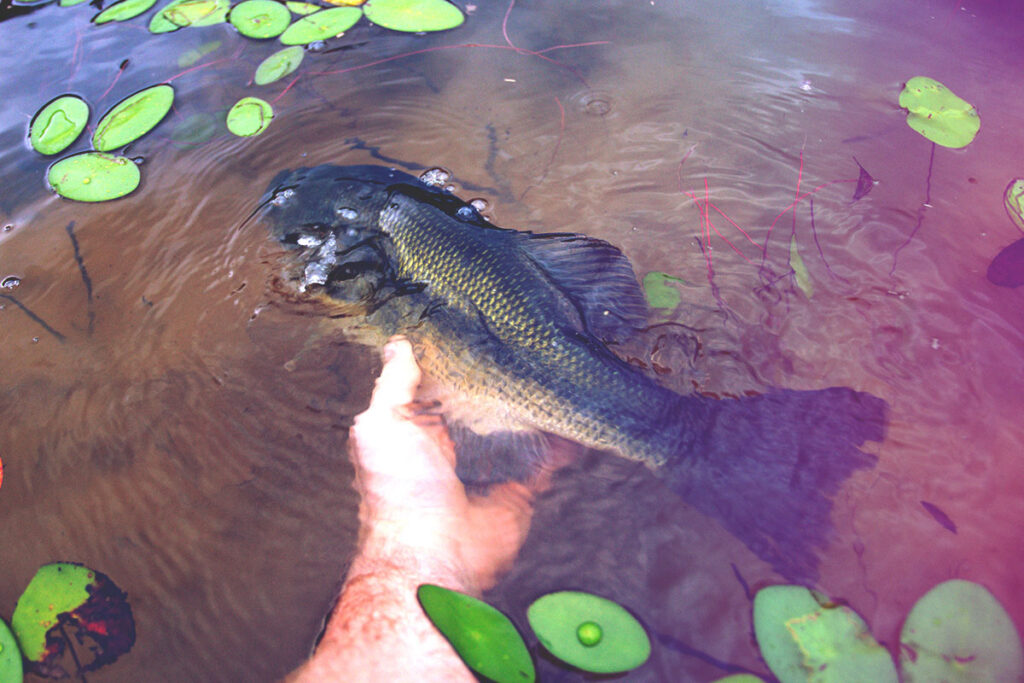
Record anything you have noticed about fish size, condition, feeding, catches, or unusual behavior. You do not need a formal fisheries survey to keep useful notes. A simple dated record can help you recognize changes and gives a fisheries professional better context if you ask for help later.
7. If your pond freezes, understand winter oxygen risk
This section applies mainly to ponds that develop prolonged ice and snow cover. Extension guidance from Penn State and the University of Missouri notes that heavy snow over ice can reduce the sunlight reaching aquatic plants. As plants and other organic material consume oxygen, shallow or heavily vegetated ponds can become more vulnerable to winterkill.
Aeration and snow management are sometimes used to reduce that risk, but ice work creates its own safety hazards. Do not walk onto ice based on a general rule from an article. Local conditions, ice thickness, equipment weight, and changing weather all matter.
8. Make a short spring question list now
Finish the walk by writing down the two or three things you want to investigate before the next active management season. Maybe it is plant identification, erosion, fish balance, aeration, stocking, water testing, or a repair around the dam. Capturing the question now is easier than trying to reconstruct the problem months later.
Keep one repeatable record
- Date and recent weather
- Approximate water level
- Photos from the same shoreline viewpoints
- Dam, bank, and spillway observations
- Aquatic-plant and algae photos
- Fish observations
- Equipment or access repairs needed
- Questions to revisit before spring
The point is not to diagnose every issue yourself. It is to build a record of your own pond so that future decisions start with better information.
Sources and regional notes
- Penn State Extension — Assessing Your Pond: A Checklist for Pond Owners and Managers
- Penn State Extension — Winterkill in Ponds
- University of Missouri Extension — Pond Dynamics and Water Quality Considerations
Winterkill guidance is most relevant where ponds remain ice- and snow-covered for extended periods. Owners in warmer regions can still use the inspection, documentation, watershed, equipment, and fish-observation portions of this checklist.
Responses